A GRC Framework for BaaS

Banking-as-a-Service (BaaS) has made waves in the financial world, giving non-bank companies a chance to offer banking products. It’s been a game-changer for making financial services more accessible, but it’s not without its challenges—especially around Governance, Risk, and Compliance (GRC).
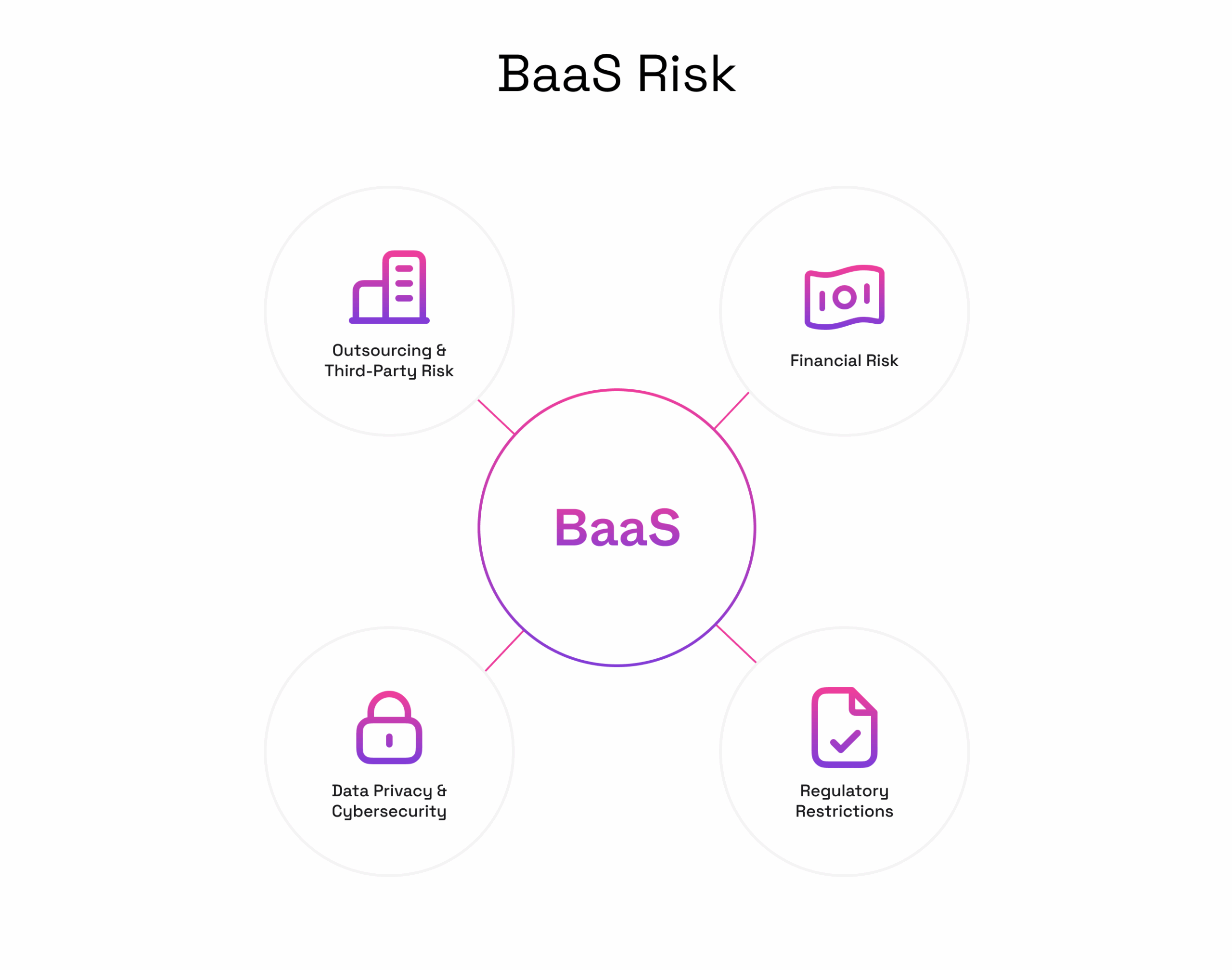
Take the collapse of Synapse in the US, for example. Their bankruptcy left over 100,000 customers without access to their funds, showing just how vulnerable a BaaS setup can be if the right risk and compliance controls aren’t in place. Reportedly, even the FBI is now investigating this case.
In response, regulators stepped up. The FDIC introduced new recordkeeping rules to make sure consumers don’t lose access to their funds again by imposing stricter requirements on banks’ oversight of third-party BaaS providers. This is a wake-up call for anyone in BaaS: solid GRC frameworks are a must.
Data Privacy and Cybersecurity concerns are also top of mind for BaaS. With so much sensitive information flowing through BaaS digital platforms, complying with laws such as GDPR in Europe is more crucial than ever. The stakes are high: non-compliance or data breaches can mean hefty fines and lost trust, which can be hard to rebuild.
Then there’s the inherent reliance on outsourcing. These partnerships are essential, but they come with their own risks. Regulators are taking a close look at how financial institutions manage third party relationships, as we have seen with the Synapse example. With outsourcing rules now prevalent in most jurisdictions, banks must be on top of ensuring their partners meet strict standards for security and performance.
All these moving parts highlight why a strong GRC framework is essential for any BaaS provider. It’s not just about ticking boxes for regulators; it’s about protecting your customers and ensuring your business can withstand the challenges that come with innovation.
Staq’s BaaS GRC Framework: Ensuring Clarity, Compliance, and Collaboration
At Staq, we understand that clarity is the cornerstone of any successful BaaS program. When it comes to a Banking-as-a-Service (BaaS) program, each player must have clearly defined roles and responsibilities. And those roles must be grounded in a strong foundation of regulatory compliance. This is why we’ve developed a BaaS Framework that leverages our deep expertise across different BaaS models, risk considerations, and the regulatory landscape. Our goal is simple: to help our partners navigate the complexities of BaaS while ensuring compliance and operational efficiency.
How Staq Builds Trust with Partners Through Clear Roles and Responsibilities
The success of any BaaS program depends on strong, transparent relationships between all parties involved. Here's how we structure those relationships:
Staq <> Banking Partner
A key relationship in any BaaS program is the one between the Banking Partner and the BaaS Technology and Business Solutions Partner—in this case Staq. This is where we must establish the terms for how Staq provides the necessary tech and business solutions to the Bank—and ultimately to its Business Partners. Crucially, this relationship must comply with outsourcing regulations, ensuring that the third-party provider—Staq—is meeting all relevant regulatory requirements and operational standards.In Saudi Arabia, for example, the Saudi Arabian Monetary Authority (SAMA) has issued detailed regulations on the oversight of third-party service providers, requiring financial institutions to maintain close oversight over outsourced functions. Staq’s outsourcing arrangements align with these frameworks to safeguard both our Banking Partners and their customers.
Banking Partner <> Business Partner
There is then an equally important relationship between the Banking Partner and its Business Partners. Here, the Banking Partner is responsible for providing the financial services to end-users, embedding them in the digital platforms of the Business Partner.
This relationship must be clearly defined. The roles and responsibilities of both parties—particularly in relation to the provision of regulated financial services—must leave no space for doubt. It’s crucial that the Banking Partner retains ultimate responsibility for all regulatory compliance. We've seen what can go wrong when these roles are not clearly delineated.
Areas such as AML, complaints management, and advertising require close collaboration and alignment between the Bank and its Business Partners. The Bank must ensure that procedures adhere to regulatory requirements and its own compliance framework. The Business Partners must align their innovative business ideas with the constraints inherent in regulated financial services.
Banking Partner <> End-Users <> Business Partner
Finally, we look at the relationship between the Banking Partner, Business Partner, and the End-Users—which inevitably is a tripartite relationship covering both financial and non-financial services. The financial services are provided by the Banking Partner, while the non-financial services are provided by the Business Partner.
A key area of focus here is Data Privacy. As End-User data flows across the BaaS Program between all three Partners, Staq ensures that its BaaS Program is built with Data Privacy in mind, providing both the Banking Partner and the Business Partner with the tools needed to maintain End-Users’ trust.
A Flexible Framework: Tailored for Your BaaS Needs
Every BaaS Program is unique. Whether you’re operating in Saudi Arabia or Italy, Staq’s BaaS Framework is designed to be flexible enough to adapt to the specific requirements of your use case and jurisdiction(s). No matter the regulatory environment, we’ll ensure that your program is structured for success in a compliance manner.
Staq’s BaaS GRC Lifecycle: A Continuous Journey of Compliance and Risk Management
A successful BaaS program requires continuous vigilance throughout its lifecycle. Staq provides support at every stage of the BaaS GRC journey, helping our partners stay ahead of potential risks and regulatory challenges. We break the BaaS GRC lifecycle down into five key stages:
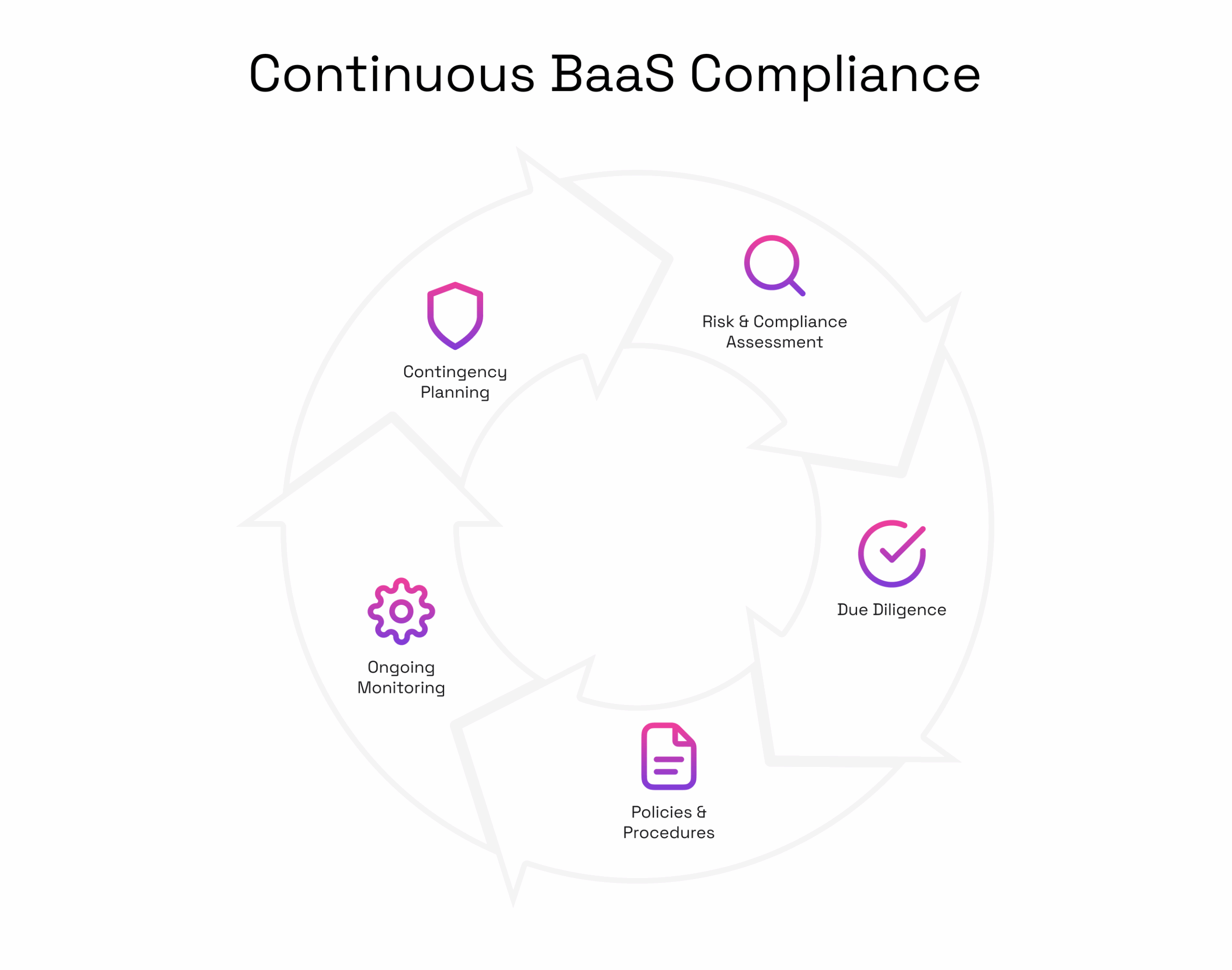
- Risk & Compliance Assessment: The first step is to identify the risks associated with your BaaS program. We help you assess which regulatory obligations apply and guide you on how to meet them. This includes not only understanding industry-specific regulations but also the potential operational risks tied to your partners’ business model and technology stack.
- Due Diligence: Due diligence is crucial for both onboarding new BaaS partners and managing ongoing relationships. It’s essential to assess (and be assessed by) your partners, ensuring that they meet the standards required for security and compliance. Third-party risk management is increasingly scrutinized, so this step is vital for avoiding compliance pitfalls down the road.
- Policies & Procedures: With the regulatory landscape constantly evolving, having solid policies and procedures in place is essential. We work with our partners to design BaaS-specific policies that cover essential areas such as AML compliance, data privacy management, and end-user complaint resolution. Clear roles and responsibilities are set out for every stakeholder in the program, ensuring that everyone understands their obligations and how to meet them.
- Ongoing Monitoring: This stage involves creating systems for ongoing monitoring and reporting. Automation is key here—manual processes are time-consuming and prone to errors, so Staq focuses on building automated reporting systems that keep you informed of compliance and operational performance. Regular BaaS Committee meetings—attended by relevant stakeholders of each partner—also provide an opportunity to review performance, track compliance, and address any changes or incidents that arise.
- Contingency Planning: We help our partners plan for worst-case scenarios too, another area being closely scrutinised by regulators worldwide. This involves developing robust Business Continuity Plans (BCPs) that are specifically tailored to the operational risks that might arise in your BaaS program. Whether dealing with financial crises or operational failures, Staq helps you design, test, and refine the plans that will ensure you are resilient no matter what.
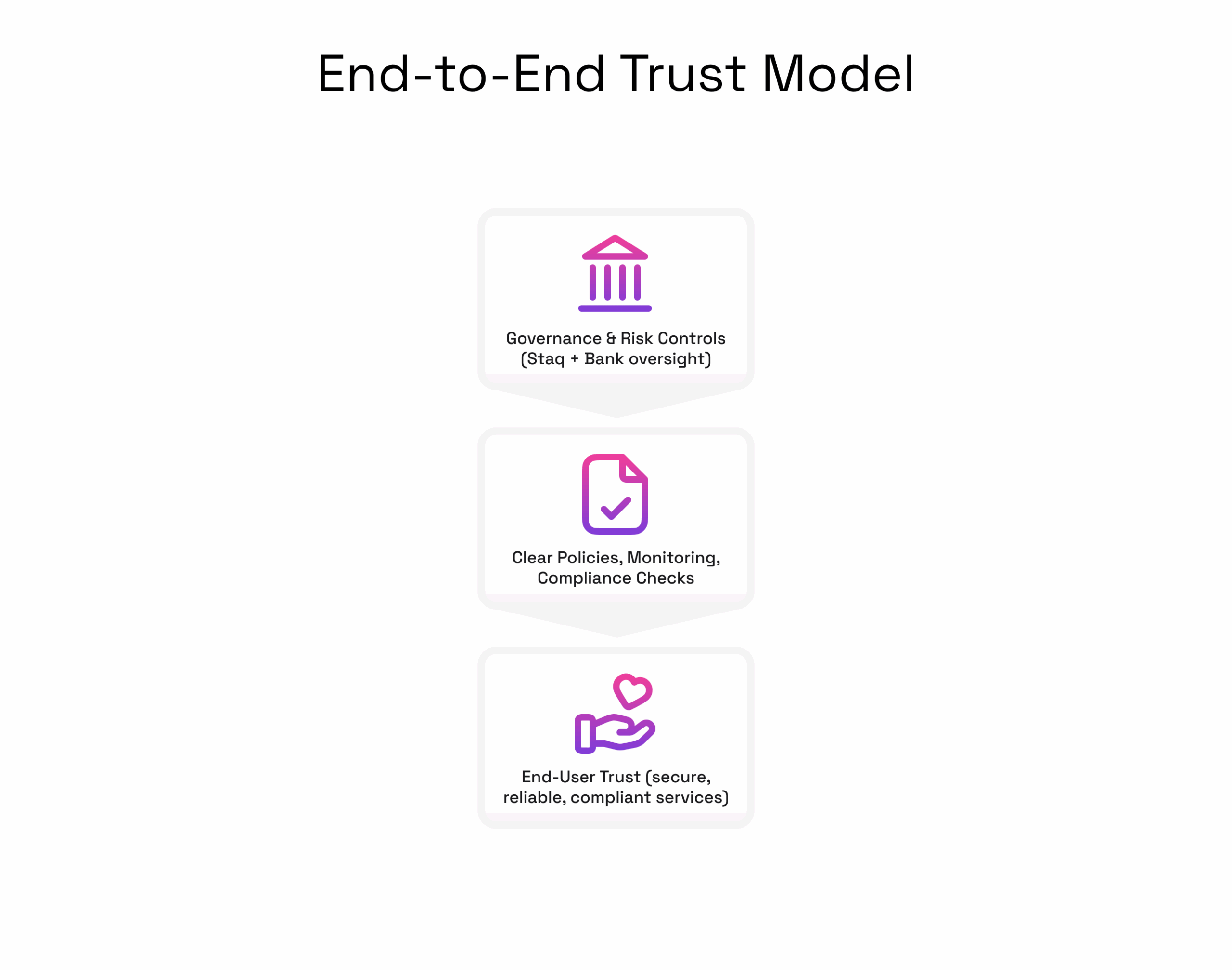
In conclusion, the future of BaaS hinges not just on technological innovation, but on the strength of the governance, risk, and compliance frameworks that underpin it. The lessons from industry shortcomings highlight the risks associated with unclear responsibilities, weak oversight, and inadequate controls. By focussing on every stage of the BaaS lifecycle, providers can protect customers, strengthen trust, and ensure long-term success. At Staq, our GRC framework is built to give clarity, ensure compliance, and foster collaboration—so our partners can confidently innovate while meeting the highest standards of security and regulatory accountability. Ultimately, this balance between innovation and responsibility is what will define the leaders in the next era of BaaS.
Ready to start your BaaS journey? Let’s build a secure and efficient framework together. Contact a Staq expert to learn how we can help you stay ahead of regulatory requirements.